 EN
EN

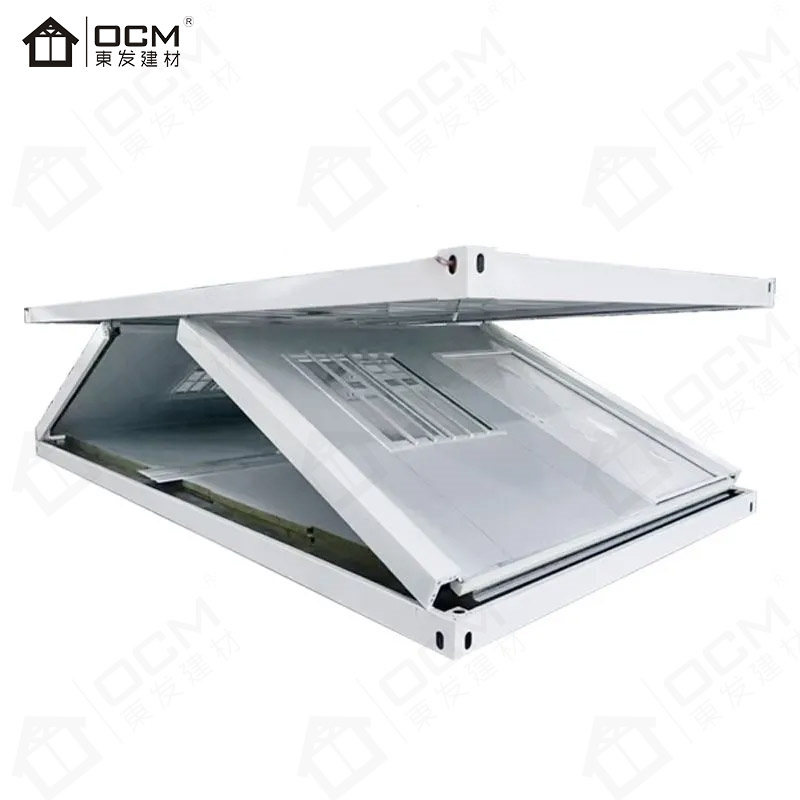
Building a home is big deal, and its important to think about how the walls are made. In modular homes, thick layered walls is a key feature that help make living spaces more comfy. These walls not just about strength; they also keep homes warm in winter and cool in summer. Plus, they block out noise, making a home a peaceful place to live. OCM focus on creating these type of walls because we know how much comfort matter to families. When you choose a modular home with thick layered walls, you choosing a cozy and quiet living environment.
How Thick Layered Walls Help with Thermal Comfort in Modular Homes
Thick layered walls work like a warm blanket around your home. They trap heat during cold months, so you don’t have to crank up your heater all the time. This save energy and keeps your home nice and toasty. The layers in these walls usually include materials like insulation, which is great at keeping the heat in. When the sun shines, thick walls also help keep the heat outside, making your home cooler in summer. So, this means you can enjoy your space without worrying about how high your electric bill might be.
Imagine coming home after a long day. If your house is warm and cozy, it feels inviting. On the other hand, if its cold and drafty, you might want to leave right away. Thick walls make a big difference in how comfortable your home feel. They help keep a steady temperature, so you feel good no matter the season. Families with kids or older adults really benefit from this because they are more sensitive to cold or heat. OCM understands that families deserve a comfortable home, and thats why we emphasize the importance of thick layered walls in our prefabricated modular home.
What Make Thick Layered Walls Essential for Energy-Efficient Modular Homes?
Energy efficiency is another reason why thick layered walls are essential. When walls are thick, they help keep the temperature inside stable. This means you use less energy for heating and cooling. In turn, this can save you money on energy bills, which is great for families on a budget. Many people may not realize that energy-efficient homes can also help the environment. Using less energy means fewer resources are used, which is better for our planet.
In addition, another aspect to think about is how thick walls can help with air quality. They often have better seals that prevent drafts, so dust and allergens stay outside. This is especially important for people with allergies or asthma. A home with thick layered walls can be a healthier place to live. At OCM, we are committed to building homes that not only keep families comfortable but also support a healthier lifestyle.
Thick layered walls in modular homes provide both thermal comfort and energy efficiency. They keep homes warm in winter and cool in summer while reducing energy costs. This way, families can enjoy a comfortable and quiet living space. OCM is proud to lead the way in creating homes that prioritize comfort and efficiency for all.
What Are the Common Problems with Thin Walls in Modular Homes?
Modular homes are built in a factory and then put together on-site. They can be a great choice for many people because they are often cheaper and quicker to build than traditional homes. However, one of the problems with some container house modular is that they have thin walls. Thin walls can cause several issues that make living in these homes less comfortable. First, thin walls do not keep out noise very well. This means that if you live near a busy street or have loud neighbors, you might hear a lot of sounds inside your home. This can make it hard to relax or enjoy time with your family. Second, thin walls do not hold heat or cool air very well. This can lead to higher energy bills because you will need to use your heater or air conditioner more often to stay comfortable. In cold weather, thin walls can let cold air in and warm air out, making your home feel chilly. In hot weather, the opposite happen; thin walls can let hot air into your home, making it feel stuffy. Also, thin walls can make your home feel less safe. If a wall is not thick enough, it may not stand up well against strong winds or other weather conditions. This is especially important if you live in an area where storms are common. Finally, thin walls can also make your home feel less private. If your walls are not thick enough, you might hear everything that your neighbors are doing, and they might hear you too. This lack of privacy can make it hard to enjoy living in your home. At OCM, we believe that homes should be comfortable, safe, and peaceful. That is why we focus on building modular homes with thick layered walls to help solve these problems.
How Thick Layered Walls Make a Quieter Living Space
Thick layered walls are a fantastic feature in modular homes, and they can make a big difference in how quiet your home feels. When walls are thicker, they do a much better job of blocking sound. This means that if you live in a busy area, you won’t hear as much noise from cars, people, or animals outside. Thick walls help to muffle those sounds, making your home a peaceful place to relax. You can watch TV, have conversations, or enjoy some quiet time without being disturbed by outside noise. The layers in thick walls also help to absorb sound. Think of it like a sponge soaking up water; thick walls soak up noise, so it doesn’t bounce around your home. This is especially important for families with kids or pets, as they can sometimes make a lot of noise. With thick walls, the sounds of playtime or barking dogs can be kept to a minimum, creating a calmer atmosphere. At OCM, we know how important it is to feel at home in a peaceful environment. Thats why we choose to use thick layered walls in our modular container homes. Not only do they reduce noise from the outside, but they also help control the sounds from different rooms inside your home. For example, if someone is cooking in the kitchen, you won’t have to hear every detail while you’re relaxing in the living room. This creates a more enjoyable living experience for everyone. In summary, thick layered walls in modular homes make a big difference in how quiet and peaceful your home can be, allowing you to enjoy your space to the fullest.
What Wholesale Buyers Should Think About for Comfort in Modular Homes
When wholesale buyers are looking to purchase modular homes, they should think carefully about thermal and acoustic comfort. Thermal comfort refers to how warm or cool a home feels, while acoustic comfort relates to how quiet it is inside. These two factors are very important for making a house a great place to live. One of the first things buyers should consider is the thickness of the walls. Homes with thick layered walls, like those built by OCM, offer excellent thermal comfort. This means that they do a great job of keeping the heat inside during the winter and the cool air inside during the summer. Buyers should look for homes that have good insulation, which is often found in thicker walls. Good insulation can help keep energy bills lower, which is a big plus for many families. The second factor to think about is how noise travels in the home. Modular homes with thick walls can help reduce the amount of noise that comes in from outside and also keep sounds from traveling between rooms. This is especially important for families who want to enjoy their space without being disturbed. Buyers should ask about the materials used in the walls and how they contribute to both thermal and acoustic comfort. Additionally, its important for wholesale buyers to think about the location of the homes they are purchasing. If the home is in a noisy area, having thick walls will make a bigger difference in comfort. So, when wholesale buyers are looking at expandable modular house, they should prioritize thermal and acoustic comfort by choosing homes with thick layered walls. At OCM, we are committed to providing high-quality modular homes that ensure a comfortable living experience for everyone.
Table of Contents
- How Thick Layered Walls Help with Thermal Comfort in Modular Homes
- What Make Thick Layered Walls Essential for Energy-Efficient Modular Homes?
- What Are the Common Problems with Thin Walls in Modular Homes?
- How Thick Layered Walls Make a Quieter Living Space
- What Wholesale Buyers Should Think About for Comfort in Modular Homes