EN
EN

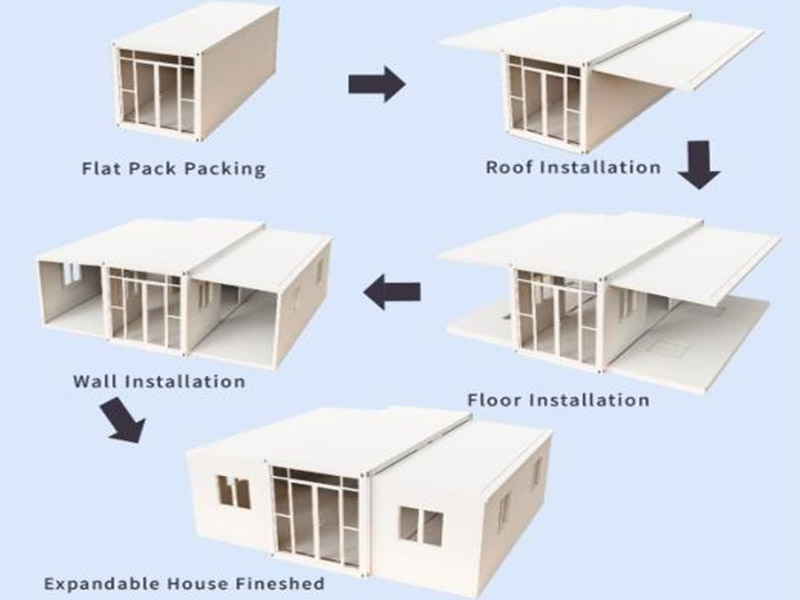
The push for sustainable construction is accelerating adoption of expandable container houses and foldable container houses, with these modular solutions reducing carbon footprint by 45% compared to traditional building methods.
♦ Reduced material waste: Factory precision cuts waste by 60%
♦ Lower energy consumption: Pre-insulated panels meet Passive House standards
♦ Recyclability: 95% of materials can be recycled at end-of-life
♦ Transport efficiency: Flat-pack design reduces shipping emissions by 70%
Manufacturers now offering:
♦ Energy Star certified expandable container houses
♦ LEED-compliant flat-pack units with sustainable materials
♦ Zero Energy Ready shipping container homes
♦ FEMA-rated structures for disaster-prone areas
The Asia-Pacific region leads with 36.2% market share, driven by China's manufacturing capacity and Japan's mature prefab market. Europe follows with 30%, where Sweden achieves 84% prefab adoption in detached homes.
"In 2024, 85% of construction professionals are engaged in sustainable practices, with 92% expected adoption by 2029," reports industry analysis. "Expandable container houses perfectly align with this trend, offering eco-friendly composite panels and galvanized steel frames that last 25+ years."
New solar-powered expandable container houses feature:
♦ Integrated 5kW solar panel systems
♦ Double-wind resistance for coastal areas
♦ 100% off-grid capability
♦ Smart energy management systems
♦ Construction time: 50% faster than traditional methods
♦ Labor costs: 40% reduction due to modular assembly
♦ Long-term savings: Energy-efficient designs cut utility bills by 60%
For developers, NGOs, and governments, these sustainable container house solutions address affordable housing shortages while meeting ambitious carbon reduction targets. With COP29 commitments driving green building mandates, expandable and foldable container houses are positioned as the construction method of the future.